11/22/2025
Woodworking 101 - Part 5 - Let's talk wood: materials you'll meet
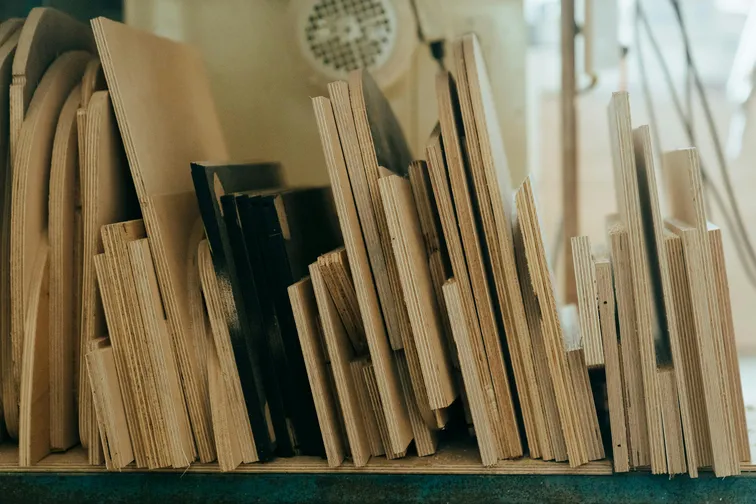
Image by:
cottonbro studioSo far in this series, we’ve talked about tools, safety, and the essentials that make your workspace feel like a real workshop. But there’s one thing we haven’t really touched yet… the actual wood.
If you’ve ever stood in front of the lumber section at your local store, you’ll know how overwhelming it can be. Piles of planks, stacks of sheets, mysterious labels like “S4S”, “construction grade”, “marine ply”. Not to mention the dizzying price range.
Don’t worry. In this part, I’ll walk you through the main categories of materials you’ll encounter: softwoods, hardwoods, and engineered woods. We’ll look at common species, strengths and weaknesses, and a few tips on buying without breaking the bank (or your patience).
Softwoods
Softwoods are often your first stop when starting out. They’re usually cheaper, lighter, and easier to work with compared to hardwoods. Despite the name, not all softwoods are actually soft, it’s more about the type of tree (conifers) than the actual hardness.
Common softwoods worldwide:
- Pine: The beginner’s favorite. Affordable, easy to cut, and available everywhere. Great for practice projects, shelving, and general indoor builds.
- Spruce: Common in construction lumber, similar to pine but a bit harder.
- Fir: Strong, straight-grained, often used for framing and outdoor projects.
- Cedar: Lightweight, naturally rot-resistant, smells amazing. Often used outdoors (decks, fences, garden furniture).
Strengths: Easy to cut, plane, and sand. Affordable. Widely available. Weaknesses: Softer surfaces dent easily, knots can cause headaches, and it doesn’t always finish as beautifully as hardwood.
If you’re just starting out, softwoods are a fantastic playground. You’ll make mistakes (everyone does), and it’s nice when those mistakes don’t cost a fortune.
Hardwoods
Hardwoods come from angiosperm trees and usually live up to their name: denser, heavier, and harder to work with. But they’re also what many of us dream of, the beautiful oak table, the walnut jewelry box, the cherry cutting board.
Common hardwoods worldwide:
- Oak: Strong, classic, great for furniture. Red oak and white oak are the most common.
- Walnut: Dark, rich, easy to fall in love with… and also expensive.
- Maple: Pale, smooth, very hard. Great for cutting boards and durable surfaces.
- Beech: Affordable in Europe, very workable, used in lots of furniture.
- Ash: Light-colored, tough, and often used for tool handles, furniture, and flooring. Easy to work with, takes stain well, and is more affordable than walnut or oak in many regions.
- Cherry: Warm reddish tone that deepens beautifully with age. Easy to work with, machines and sands nicely, and is popular for cabinets, furniture, and small projects.
Strengths: Beautiful grain, durable, great for heirloom projects. Weaknesses: More expensive, heavier, harder on tools (and on your arms). Availability also depends heavily on your region.
I usually recommend beginners dip their toes into hardwoods later. They’re wonderful, but mistakes can be costly… both in money and frustration.
Engineered wood and composites
Engineered wood is basically “wood reimagined”: fibers, chips, or veneers glued and pressed into sheets. It doesn’t have the same romantic appeal as a slab of oak, but it’s incredibly useful, especially for beginners.
Structural panels:
- Plywood: Thin veneers glued in layers with alternating grain. Comes in many shapes:
- Construction grade (CDX, etc.): Rough, knotty, lots of voids. Strong enough for framing and subfloors, not the nicest to look at but I’ve also seen projects that make clever use of it to create a nice industrial charm.
- Cabinet or furniture grade: Smooth faces, few voids, stable. Excellent for shop furniture, cabinets, basically for everything, and if you like the look of it, it can even become a masterpiece in your apartment. While birch or Baltic birch is one of the best options you can get, there are good alternatives coming up, such as poplar or maple, depending on what’s available in your region.
- Marine ply: Waterproof glue, no voids, designed for outdoor and boat use. Expensive, but rock-solid.
- Film-faced / phenolic ply: Plywood with a resin-impregnated coating, usually black or dark brown. Very durable, water-resistant, and easy to clean. Commonly used for transport boxes, concrete forms, workshop tables, and jigs.
- OSB: Made from large wood strands glued in layers. Strong and cheap, often used for walls, floors, or workshop projects where looks don’t matter. Not easy to finish nicely, but great for utility builds.
Fiberboards:
- MDF: Uniform, flat, cheap. Great for painted projects, templates, and jigs. Downsides: heavy, dusty, hates moisture.
- HDF: Similar to MDF but denser, stronger, and smoother. Often used for flooring underlayment, doors, or furniture back panels.
- Hardboard (Masonite): A thin, dense fiberboard. Smooth on one side, sometimes textured on the other. Very affordable and useful for drawer bottoms, cabinet backs, or templates, but weak on its own and not moisture resistant.
Odds and ends:
- Particle board / chipboard: The budget option. Often found in IKEA-style furniture. Weak edges, doesn’t hold screws well, but cheap and flat. Works for hidden structures or temporary builds.
- Bamboo ply: Less common, but becoming more available. Strong, sustainable, and has a striking striped look. Can be pricey, but definitely eye-catching.
Decorative panels:
- Melamine-faced boards: Usually particle board or MDF with a thin, hard melamine plastic coating. Very common in kitchen cabinets, wardrobes, and budget furniture. Smooth, easy to clean, available in white or decorative finishes. Downsides: edges chip easily, and once damaged, it’s not repairable like real wood.
- Veneered MDF/particle board: Cheap core (like MDF or particle board) with a thin veneer of real wood glued on top. Looks much nicer than raw MDF, but still not as durable as solid wood or quality plywood.
- Laminate boards: Similar to melamine, but with a thicker decorative laminate surface. More resistant to scratches and wear, common in countertops.
Strengths: Engineered panels are available in large, flat sheets, stay dimensionally stable, and open up design possibilities that solid wood can’t always provide. They’re also often more affordable and consistent in quality. Weaknesses: Each type has its own limitations, so it can be tricky to pick the right one for the job. Many are made with glues or resins, which means extra dust and sometimes chemicals you don’t want to breathe in, and disposal is harder compared to natural wood since they can’t simply be recycled or burned safely.
I usually recommend beginners start with engineered wood for practice and shop projects. It’s affordable, stable, and forgiving compared to solid lumber. Being able to work with flat, predictable sheets helps you focus on learning your tools and techniques without fighting twists, warps, or surprise knots.
A few tips for buying lumber
- Construction stores vs. lumberyards and local sellers: The big box stores mostly carry construction lumber and sheet goods. Great for beginners, but you’ll find limited species and lower quality (more knots, more warp). Specialty dedicated wood stores, lumberyards or smaller importers offer more choice, better drying, and higher quality, though usually at higher prices. Also check your local marketplace: in many regions, people sell slabs, offcuts, or even full boards at very fair prices. In fact, in many areas there aren’t large dedicated wood stores at all, so woodworkers often rely on smaller importers or private sellers.
- Pre-milled vs. rough cut: Lumber can be sold rough (straight from the mill, still needs planing) or pre-milled (surfaced on four sides, also called S4S). Pre-milled is easier but more expensive. Rough lumber is cheaper per meter/foot and gives you more thickness to work with, but requires tools to flatten and square.
- Straightness matters: Especially for sheet goods, engineered wood tends to be straighter and more consistent than construction lumber. This is why I often recommend starting with plywood or MDF for your first big builds. Less fighting with twisted boards = more fun.
- Check for moisture: Freshly cut or poorly dried wood can warp or crack later. If you can, bring a moisture meter, ideally your wood should have around 8-12% moisture for indoor projects.
- Mind the grading and naming: The same wood can go by different names in different regions, and grades vary too. “Select” pine in one country might be closer to “construction” pine somewhere else. Ask questions if you’re unsure.
- Look past the surface: Knots, splits, and cracks aren’t always dealbreakers, but check how deep they go. Sometimes you can cut around defects, other times it’s not worth the waste.
- Transport and storage: Long boards and big sheet goods can be awkward to haul. Plan ahead: measure your car, bring straps, and store wood flat once home to keep it from warping.
- Don’t be shy to dig through the pile: At construction stores especially, boards can vary a lot. Take your time, look along each board, and pick the straightest, cleanest pieces you can find.
A note on tropical woods
At some point, you’ll come across beautiful woods like mahogany, teak, rosewood, or ebony. These tropical hardwoods have been prized for centuries, but many of them come with serious environmental concerns. Unsustainable harvesting has contributed to deforestation, loss of biodiversity, and long shipping routes that add to their footprint.
As hobby woodworkers, we have the chance to make better choices. My recommendation: focus on what’s available locally. Almost every region has fantastic native woods: oak, maple, beech, ash, cherry, birch, or pine, that can give you stunning results without the environmental downsides.
If you do want to experiment with tropical species one day, make sure to buy from reputable sellers who can provide certification (like FSC or PEFC). It’s usually more expensive, but it helps ensure the wood is harvested responsibly.
Think of it this way: you don’t need rainforest timber to make something beautiful. Often, the most sustainable (and rewarding) choice is right in your backyard.
Pressure-treated and pre-sealed woods
At most construction stores you’ll also find wood that’s been pressure-impregnated or pre-sealed. This means chemicals or protective finishes have been forced into the fibers to make the wood more resistant against moisture, rot, and insects.
Where they shine: Perfect for outdoor projects like decking, fences, or raised garden beds where untreated wood would quickly rot.
Where to avoid them: Not great for indoor furniture or projects where you’ll have close skin contact, since the chemicals can be unpleasant (and sometimes unsafe). They can also be tougher on your tools and harder to glue or finish properly.
Think of them as a specialty option: great if you’re building outside, but skip them for your indoor projects. If you want similar protection without chemicals, look for naturally durable woods like cedar or larch instead.
Proper disposal
Not all wood is created equal when it comes to disposal. Solid, untreated wood can often be recycled, composted, or even burned safely (depending on local rules). But once wood has been pressure-treated, painted, glued into panels, or coated with resins, it’s a different story.
Engineered boards like MDF, particle board, or plywood are made with glues and resins that release harmful fumes if burned. Pressure-treated wood contains chemicals that make it unsafe to burn or compost. Both should be taken to proper waste or recycling facilities instead of tossed into the fireplace or garden.
It’s worth checking your local regulations, since disposal options vary by region. The rule of thumb: if it’s natural, untreated wood, you can often handle it like yard waste. If it’s treated or manufactured, bring it to a facility. That way, you stay safe and avoid spreading toxins into your home or environment.
And don’t forget: keep a small pile of scraps for the workshop. Offcuts of plywood, MDF, or even old solid wood boards are perfect for jigs, spacers, test cuts, or shims. Waste less, learn more. Just don’t let it get out of hand, every woodworker has their “pile of shame” in the corner, full of offcuts they swear will be useful someday.
Where to start
If you’re new, I’d suggest starting with softwoods or engineered wood. Softwoods are cheap and forgiving, and engineered sheets are stable and predictable. Perfect for practice projects like workbenches, shelves, or shop furniture.
Once you’re comfortable cutting, joining, and finishing, you can start treating yourself to hardwoods for those special builds.
After all, you don’t need walnut to build a great first project. Pine (or a good sheet of birch ply) will do just fine.
Up next
In the next installment, we’ll dive a little deeper into wood theory and talk about grain, what it means, how it affects strength, appearance, and workability, and why paying attention to it can make or break your project.
Explore the series:
- Woodworking 101 - Part 1 - Getting powered up
- Woodworking 101 - Part 2 - Let's go shopping: protective gear
- Woodworking 101 - Part 3 - Let's go shopping: workshop essentials
- Woodworking 101 - Part 4 - Let's go shopping: power tools
- Woodworking 101 - Part 5 - Let's talk wood: materials you'll meet
I hope you enjoyed the read, and if not, that's fine too! Feel free to share your thoughts or reach out on Instagram, Mastodon, Bluesky or MakerWorld. I'm always happy to hear feedback: good, bad, or sheep-themed.